The Immigration and Asylum Bill, which is currently making its way through parliament, is now at committee stage. Every clause and schedule of the proposed legislation is being examined in detail. Following this, it will go to the report stage, where the whole house reviews amendments to the bill and votes on final text changes ahead of the third reading.
How the bill will cause harm
In recent weeks, the UNHCR has expressed concerns about various aspects of the bill - in particular the proposed Independent Immigration Appeals Authority. They have drawn attention to the lack of clarity regarding the roles of legally trained, versus lay, adjudicators, and scenarios in which appeals could be decided without an oral hearing. Immigration law is complex. It is not clear if adjudicators would have the expertise needed to properly determine an individual’s case and - if not - would undoubtedly lead to more people becoming wrongly refused.
The UNHCR also suggests that the proposed repayment to the Home Office of £10,000 for people with refugee status who have received asylum support would breach Article 29 of the Refugee Convention and undermine integration by delaying settlement and family reunion. There is the real concern that imposing a mandatory repayment of £10,000 will cause financial hardship for newly granted refugees and that it will deter some people seeking asylum from accessing asylum support, making more individuals vulnerable to homelessness.
We believe this bill represents an unprecedented erosion of refugee protection rights.
The bill proposes to combine refugee status and humanitarian protection into a single core protection model. As of March this year, refugees are now granted 30 months temporary leave (instead of 5 years) and under this core protection model, their status could be repeatedly reassessed over a 20-year route to settlement. Moving off core protection requires a person to obtain employment or commence study at an appropriate level and to pay a fee.
We are concerned that many people will find it challenging to move out of core protection and that offering temporary status that is subject to repeated review will likely lead to greater levels of destitution owing to potential housing insecurity, insecure work and debt from repeated legal and application fees. We know that successive governments have been unable to significantly clear the backlog of asylum claims and shortening leave to remain for people to 2.5 years, as well as an accelerated appeals process, is likely to lead to greater risk of failure points and more destitution among people seeking asylum.
Another key area of concern is around family reunion, which has been suspended since September last year. The bill seeks to constrain how Article 8 of the European Convention on Human Rights (right to family and private life) is applied in immigration cases. Under core protection, individuals will not be allowed to reunite with family members unless they transition to other routes. Being separated from loved ones for a protracted period would undoubtedly impact on people’s wellbeing and encourage more people to take dangerous journeys to the UK.
What can be done?
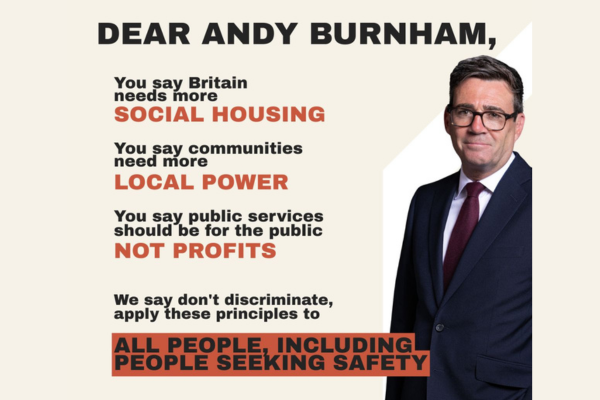
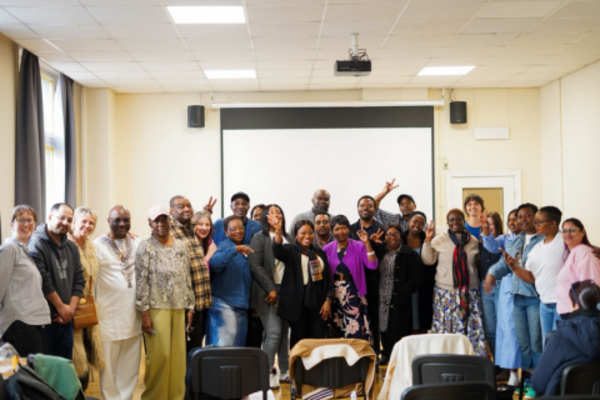
In opposition to the bill, HIAS+JCORE, JPIT, and René Cassin are bringing together people from across the country to stand up for people seeking safety through an interfaith lobby.
The interfaith lobby is open to all people of faith from across the UK, including those with lived experience of the asylum system. It will call on parliamentarians to:
- Oppose temporary refugee status, which will create cycles of uncertainty for vulnerable people and harm integration
- Reject the Refugee Tax, a policy that would create further financial hardship for newly-granted refugees
- Reopen refugee family reunion. The closure of this route is dividing families and disproportionately penalising women and children. The continued lack of safe routes will not help reduce dangerous channel crossings.
The lobby will aim to reach 50 MPs to deliver a simple message: welcoming people seeking safety makes our society stronger. You can find out more, or register to join the lobby, here.