
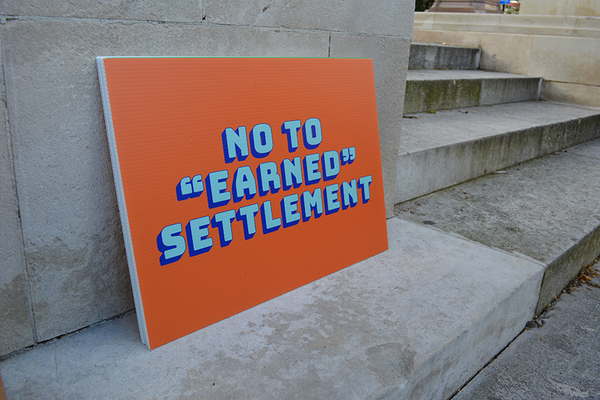
The Government’s long-awaited announcement yesterday on its earned settlement proposals means that the standard qualifying period for indefinite leave to remain (ILR) will increase from five to ten years. Refugees not arriving through a ‘safe and legal route’ will face a 20-year qualifying period, increasing to 30 years for individuals who entered the UK ‘illegally’, such as on a small boat.
Refugees who move into sustained employment or education will qualify for settlement after ten years, but only if they meet certain income criteria, have B2 level English and pass the Life in the UK test. Crucially, refugees will not be able to apply for ILR if they have accessed public benefits (e.g. Universal Credit) within the previous five years.
As expected, people with salaries exceeding £125,000, and those arriving through talent schemes, will be able to apply for ILR after just three years. A five-year route to settlement will also still exist for people earning more than £50,000 a year, those working in a qualifying public service job, or those with who have a ‘British connection’ e.g. as the partner of a British citizen.
Following significant backlash from MPs, Trade Unions and campaigners, carers who joined the Skilled Worker route before the immigration white paper was published in May last year will be afforded transitional provisions.
Free Movement has produced a full and detailed breakdown of everything contained within yesterday’s announcements and what is known so far.
The Home Secretary confirmed that a Statement of Changes to the Immigration Rules will be made in December this year, with changes taking place throughout 2027.
Our response
We believe yesterday’s announcements will lead to increased levels of destitution and homelessness (at a time when the Prime Minister insists he is committed to ending rough sleeping). These changes will exacerbate the many challenges that individuals within the asylum system already face.
Individuals with refugee status will be dissuaded from accessing public benefits (something we are already seeing among individuals we support at Boaz) for rightful fear that doing so will increase their wait for settlement. This is likely to lead to greater financial hardship and poverty for many people who are already under immense pressure. For individuals with refugee status who have already accessed public benefits, yesterday’s announcement is likely to cause considerable concern and distress.
We also know that people with uncertain immigration status find it harder to access stable housing and employment, and that the complexity of ongoing challenges relating to status is a cause of more people becoming undocumented, further impeding the chances of many from acquiring ILR.
These policies will cause more misery and uncertainty for people who simply wish to get on with their lives and be afforded the stability, respect and dignity they deserve.


